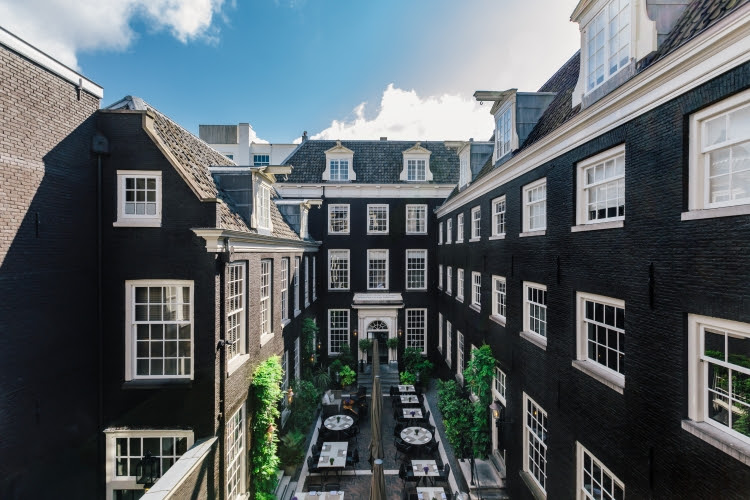
The Dylan Amsterdam (41 rooms)
The Dylan Amsterdam shows how a small hotel can make guests feel recognized without drawing attention to the effort behind it. Entered through a seventeenth-century stone gateway on the Keizersgracht, the hotel occupies the former site of the 1632 Van Campen Theatre. The preserved gateway and enclosed courtyard create a sense of separation from the canal outside, and many guests mention feeling settled as soon as they arrive.
As a small-scale boutique property, The Dylan treats each room as an individual space rather than part of a uniform category. Its 41 rooms are divided into four styles, each shaped by Dutch design and the canal house architecture. Amber Rooms by Studio Linse use warm gemstone tones and soft finishes that invite guests to unwind after a day in the city. Loft Suites highlight original beams and higher ceilings, creating a sense of openness. Loxura Rooms by FG Stijl introduce copper and natural tones, inspired by the butterfly of the same name, while Serendipity Rooms, refined in 2024 from Remy Meijers’ original concept, offer a calm, contemporary backdrop. Guests often remark that their room felt chosen for them, rather than simply assigned.
Service reinforces that impression. Staff remember details with ease, from a cocktail order at Bar Brasserie OCCO the evening before, to how a guest prefers breakfast served, or a preference for quieter streets around the Nine Streets. These observations are acted on naturally, without drawing attention. Restaurant Vinkeles, set within an eighteenth-century bakery with its original brick ovens, reflects the same grounded approach, where setting and service feel considered rather than showy.
Guests often leave The Dylan remembering not one specific gesture, but the quiet sense that the hotel was paying attention throughout their stay.
What’s New: Looking ahead to summer, WorldPride 2026 will come to Amsterdam for the first time, marking a significant moment on the city’s cultural calendar. Set along the Keizersgracht, The Dylan Amsterdam offers a discreet canal-side base during the festivities, while remaining closely connected to the historic center. This spring, the hotel will also introduce a new fitness studio, further expanding its wellness offering.
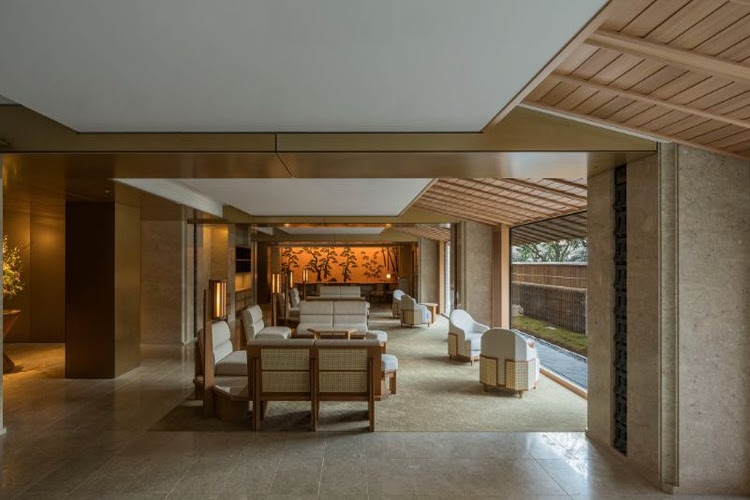
Imperial Hotel, Kyoto (55 rooms)
The Imperial Hotel, Kyoto offers a stay shaped by attentiveness to place and to individual preference. Housed within the restored 1936 Yasaka Kaikan theater in Gion, the hotel’s preserved façades, copper rooflines, and terracotta tiles establish an immediate sense of continuity with its surroundings. Many guests describe noticing a feeling of calm early on, rooted in the awareness that the building belongs fully to the neighborhood it inhabits.
With just 55 rooms, accommodation here is treated as an extension of how guests wish to experience Kyoto. Interiors by architect Tomoyuki Sakakida of New Material Research Laboratory emphasize restraint and craftsmanship, incorporating Tamina‑ishi stone, zelkova wood, and furnishings informed by early twentieth‑century design. Rather than presenting a single aesthetic, the hotel offers distinct spatial choices. Some guests opt for tatami‑based rooms in the North Wing, others select Heritage Suites that preserve the building’s original proportions, while contemporary rooms frame measured views across Gion’s machiya rooftops. Guests often remark that their room selection felt aligned with the pace and intent of their visit.
Service builds on this sensitivity. Staff respond to interests shared casually, shaping suggestions over time—whether arranging access to a small craft atelier or advising quieter streets in Gion at particular hours. These recommendations tend to evolve naturally as the stay unfolds, reinforcing a sense of ease rather than itinerary.
This role of exchange comes into focus at REN, where the counter experience places guests in direct conversation with the chef. From this vantage point, the meal becomes an opportunity to observe technique, timing, and ingredient handling, while informal dialogue offers insight into sourcing, seasonality, and the reasoning behind each preparation. The experience emphasizes process and curiosity over presentation, allowing guests to engage more deeply with the culinary culture shaping the menu. The Old Imperial Bar extends this rhythm into the evening, serving as a relaxed point of return where conversations often continue without a sense of conclusion.
As the fourth property in the Imperial Hotel brand, the Kyoto location leaves guests with a quiet but lasting impression of the brand’s interpretation of Japanese hospitality—measured, attentive, and firmly rooted in context.
What’s New: The Imperial Hotel, Kyoto welcomed its first guests on March 5 in the restored 1936 Yasaka Kaikan theater. The opening marks the brand’s considered expansion into Kyoto, introducing a boutique interpretation of Imperial Hotel hospitality shaped by place, craft, and architectural continuity.
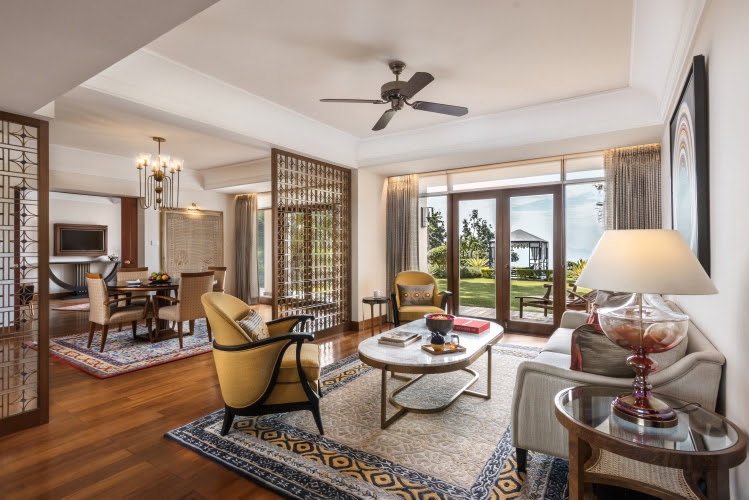
Ananda in the Himalayas (75 rooms)
At Ananda in the Himalayas, every guest follows a highly personalized wellness program shaped around individual assessments, body types, and health objectives. Set on a former palace estate overlooking the Himalayan foothills in northern India, the retreat’s personalized approach allows the wellness team to remain closely engaged with each guest throughout the stay, creating a sense of continuity and reassurance from the outset.
Each visit begins with in‑depth consultations covering Ayurveda, yoga, emotional healing, and nutrition. From there, treatments, movement practices, and meals are refined continuously based on daily observation and follow‑up conversations. Guests will notice that adjustments are made without needing to restate concerns, whether that involves modifying the intensity of therapies, shifting session timing, or customizing dietary choices as energy levels change. Over time, many guests feel that the program becomes increasingly responsive, shaped not just by clinical assessment but by how they are feeling day by day.
The physical environment reinforces this experience of attentive care. The architecture emphasizes natural light, soft tones, and expansive proportions that help spaces feel open and supportive rather than imposing. Outdoor pavilions vary in exposure, from open hillside views to more enclosed, shaded settings, allowing guests to return to places where they feel most comfortable. Those preferences are often remembered and quietly reflected as the stay continues.
Accommodations range from rooms overlooking the Palatial estate, lush gardens or the Ganges valley, to suites with private garden space and villas with private pools where meals can be arranged without interruption. In the 25,000‑square‑foot spa, treatment rooms and hydrotherapy experiences are selected and adjusted based on comfort and expert recommendations, contributing to a sense of being carefully looked after.
Guests often leave Ananda remembering not only the structure of their program, but the feeling of steady emotional support and individualized care throughout their program.
What’s New: In their 25th year, Ananda launched its new and integrated Diabetes Management Program. This innovative initiative is designed to address the growing burden of diabetes through a comprehensive, multi-disciplinary approach that combines the wisdom of Ayurveda, Yoga, Traditional Chinese Medicine (TCM), physiotherapy, nutritional science, and emotional healing.
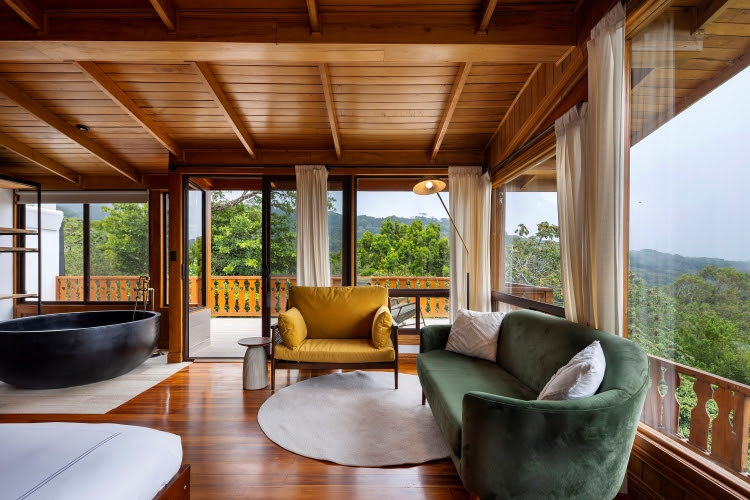
Hotel Belmar (26 rooms)
Hotel Belmar offers a stay shaped by familiarity, observation, and a close relationship with its surroundings. With 26 rooms, the family-owned hotel in Monteverde’s cloud forest in Costa Rica operates at a scale where preferences are understood naturally, often before they are spoken. Rooted in its philosophy of The Art of Nature and guided by spirited hospitality, each stay unfolds with intention, warmth, and attentiveness.
Design emphasizes sustainably sourced woods, artisan details, and natural ventilation. The absence of televisions and air conditioning encourages a deeper awareness of light, breeze, and sound, introduced gently through conversation. The approach encourages guests to settle into the setting at their own pace, without instruction or expectation. Guests often find themselves more attuned to their surroundings within days.
Service flows beyond the room, shaped by observation and an understanding of each guest’s rhythm. Experiences unfold with ease, whether through a thoughtfully timed visit to Finca Madre Tierra or guided exploration within the SAVIA private forest reserve, where discovery happens at a thoughtful pace.
Dining follows this same rhythm, with menus that evolve alongside the seasons and adapt naturally to individual preferences. Meals feel less like programmed experiences and more like ongoing conversations with the land, guided by a kitchen that listens as closely as it leads.
Guests often leave not only remembering the place, but how naturally their stay adapted to them.
What’s New: The new Sleep Ritual turndown invites a gentle transition into evening, inspired by the rhythms of the forest. Through subtle sensory elements and audio-guided meditations, it creates space for reflection and a more grounded end to each day. The ritual is designed to feel personal rather than prescriptive, allowing guests to engage with it as much or as quietly as they wish.
Calabash Cove Resort & Spa (26 rooms)
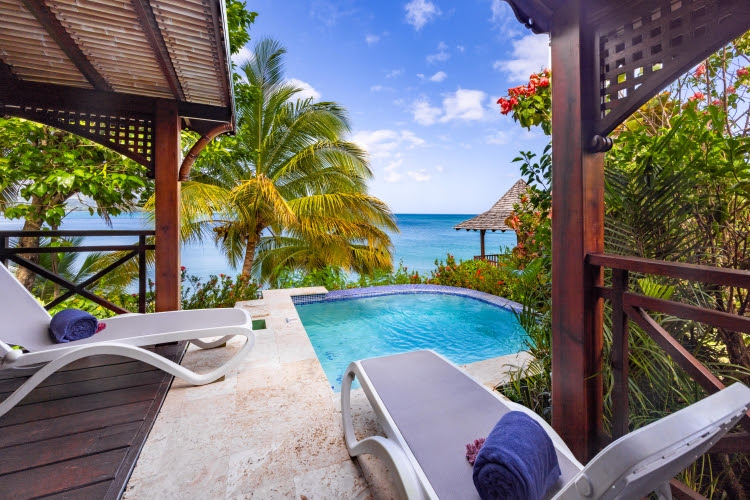
Calabash Cove Resort & Spa offers a Caribbean stay defined by privacy and quiet recognition. With 26 rooms set along a small shallow cove in Bonaire Bay in Saint Lucia, the resort has the capacity to notice guest preferences early and respond without ceremony. Many guests describe small adjustments that accumulate over time, shaping the stay without requiring requests to be repeated.
Accommodation is designed around choice. Water’s Edge Cottages offer private plunge pools, verandahs, and outdoor showers for guests seeking greater seclusion. Swim Up Junior Suites sit closer to shared areas, while Sunset Ocean View Suites are positioned higher on the first and second floor of the main house buildings, offering distance and outlook. 73 dedicated tourism professionals assist guests in selecting rooms, among other things, based on how they want to spend their days, whether that means privacy or proximity. Materials such as mahogany, stone, and soft landscaping help the architecture remain visually connected to its setting.
Service emphasizes observation. Team members often remember preferred seating at the Windsong Restaurant, adjust dining arrangements based on breeze or shade, and prepare poolside loungers and refreshments according to routines established earlier in the stay. The resort’s gardens, designed by a Caribbean landscape architect, include herb beds and quieter corners that guests are guided toward once preferences become familiar.
Dining remains relaxed and responsive. Menus are adapted easily, and service feels steady rather than staged. Guests frequently note how little they needed to ask for during their visit, and how the environment remained calm even during shared moments.
What’s New: Calabash Cove has introduced new seasonal vegan and vegetarian menus highlighting local island ingredients. The additions reflect the resort’s ongoing emphasis on flexible, guest‑led dining that responds to both dietary preferences and the availability of fresh, regional produce.